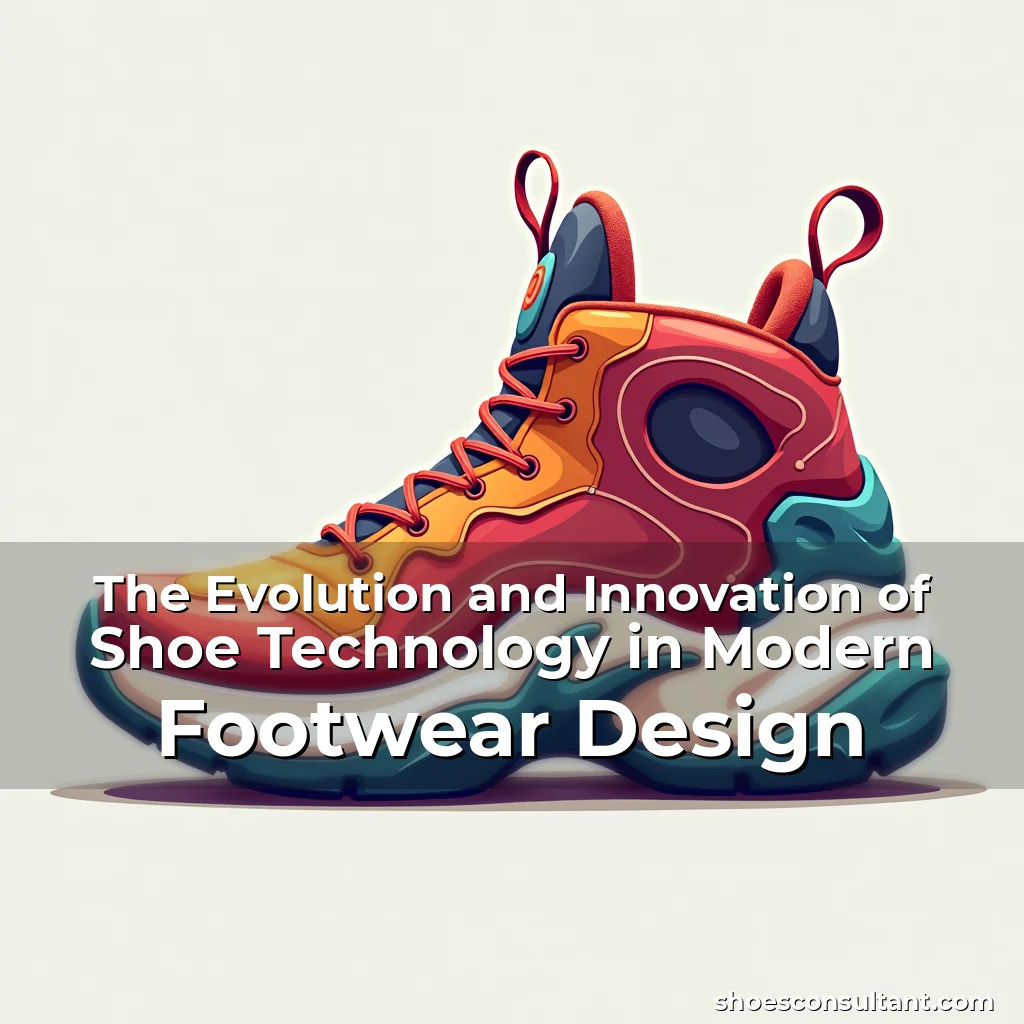
The Evolution and Innovation of Shoe Technology in Modern Footwear Design
In recent years, advancements in shoe technology have revolutionized how we think about footwear. From performance-enhancing features to sustainable materials, modern shoe design is driven by cutting-edge innovation.
This evolution has transformed everything from athletic gear to everyday casual wear, making comfort, durability, and functionality central priorities for manufacturers and consumers alike.
The Science Behind Modern Shoemaking
Sneaker technology today relies heavily on scientific research and material science breakthroughs. Innovations such as lightweight foams, breathable fabrics, and energy-returning midsoles are now standard across many high-performance shoe models.
Material engineers work closely with designers to balance flexibility, support, and weight distribution in every pair of shoes produced. This collaboration ensures that each component contributes positively to overall foot health and movement efficiency.
- Lightweight foam compounds: These reduce strain during physical activity while maintaining cushioning levels necessary for impact absorption.
- Breathable mesh panels: Allow airflow circulation around feet, preventing excessive sweating and odor buildup.
Advancements in Midsole Technologies
The midsole is arguably the most crucial part of any shoe when considering both comfort and performance. Manufacturers continuously refine their formulas to enhance shock absorption and propulsion capabilities.
Recent developments include responsive foam systems that compress under pressure yet rebound quickly, providing an energetic return with every step taken.
Evolving Foam Compositions
Data shows that traditional EVA foam, once dominant in running shoes, now makes up less than 60% of new releases due to its limitations in long-term compression resistance.
Newer alternatives like React, Boost, and Pebax offer superior resilience without sacrificing lightness. Nike’s Zoom Air units also provide targeted responsiveness tailored for different activities ranging from basketball to trail running.
Cushioning Systems That Define Performance
Modern cushioning technologies go beyond simple padding; they incorporate biomechanical engineering principles designed specifically for human motion patterns.
Air chambers strategically placed within soles can adjust based on gait analysis data collected through embedded sensors in some premium models.
- Adaptive air cushions: Inflate or deflate automatically depending on terrain conditions or user preferences via smartphone apps.
- Gel inserts: Absorb sudden shocks effectively at points where force concentration is highest—typically near heel strike zones.
Innovative Outsole Designs for Enhanced Traction
The outsole plays a critical role in determining grip level across various surfaces. Contemporary designs utilize advanced rubber blends combined with patterned treads optimized for specific environments.
Some brands employ 3D printing techniques to create complex traction geometries previously unachievable using conventional molding methods.
- Dual-density rubber compounds: Provide increased stability by varying hardness between forefoot and rearfoot areas.
- Micro-groove structures: Improve water dispersion properties significantly compared to older flat tread patterns.
Smart Shoes and Wearable Tech Integration
With growing interest in wearable technology, shoe companies are integrating smart elements into their products to monitor fitness metrics and provide real-time feedback.
These intelligent sneakers often feature built-in accelerometers, heart rate monitors, and GPS tracking devices capable of syncing wirelessly with mobile phones or dedicated apps.
- Fitness tracking capabilities: Automatically log steps taken, distance covered, calories burned, etc., promoting healthier lifestyles.
- Voice assistant integration: Enable hands-free communication functions useful during workouts or daily commutes.
Sustainability Efforts Within Shoe Manufacturing
Environmental concerns have prompted significant changes in shoemaking processes aimed at reducing waste and carbon footprint associated with production cycles.
Pioneering initiatives involve recycling programs allowing customers to return old pairs for reuse or repurposing them into new product lines entirely made from recycled components.
- Recycled polyester upper materials: Reduce reliance on virgin plastics extracted from fossil fuels.
- Plant-based leather alternatives: Offer cruelty-free options that decompose faster than animal-derived counterparts.
The Role Of Customization In Personalized Fit Solutions
Custom fit solutions leverage digital scanning technologies paired with AI algorithms to tailor shoe dimensions precisely according to individual foot shapes.
Consumers benefit greatly from these personalized approaches since off-the-shelf sizes frequently fail to accommodate irregularities present in many people’s feet.
- 3D foot scans: Capture minute details essential for creating bespoke footwear experiences matching exact anatomical requirements.
- Adjustable lacing systems: Allow users fine-tune tension levels dynamically based upon changing needs throughout day-to-day usage scenarios.
Future Trends Shaping The Next Generation Of Footwear
Ongoing R&D efforts suggest exciting possibilities ahead including self-repairing polymers which could extend lifespan considerably beyond current standards.
Additionally, biodegradable adhesives might soon replace toxic chemicals currently used extensively within glue formulations affecting longevity plus ecological impacts negatively.
- Nanotechnology applications: May lead towards stronger lighter materials exhibiting enhanced moisture management characteristics beneficial especially during intense exertions.
- Biomechanics-driven automation: Could enable robotic assembly lines producing highly customized shoes rapidly at scale never before possible manually.
Conclusion
The field of shoe technology continues evolving rapidly driven largely by consumer demand for better performing durable eco-friendly choices available globally today.
To stay informed about latest innovations shaping future trends consider following reputable sources specializing exclusively within footwear industry sectors focusing particularly on technological advances occurring regularly now.
“`

news is a contributor at ShoesConsultant. We are committed to providing well-researched, accurate, and valuable content to our readers.
You May Also Like