The Evolution and Niche Innovations of Specialty Footwear: A Deep Dive Into Customization and Performance
In an era where mass production dominates the fashion industry, specialty footwear stands as a beacon of innovation, customization, and performance-driven design. From orthopedic solutions to extreme sports gear, these niche categories cater to diverse needs that mainstream shoe brands often overlook.
This article explores how specialty footwear has evolved from simple functional adaptations to sophisticated, technology-integrated products tailored for both medical necessity and elite athletic achievement.
Redefining Functionality Through Precision Engineering
Specialty footwear is defined by its ability to address specific physical requirements beyond what conventional shoes can provide. This includes everything from support structures for individuals with foot deformities to shock absorption systems designed for high-impact activities.
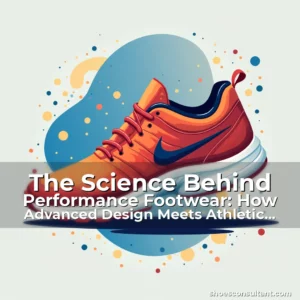
Modern engineering techniques have enabled manufacturers to create highly specialized designs using advanced materials such as carbon fiber composites, memory foam inserts, and breathable mesh fabrics. These innovations allow for unparalleled comfort without compromising durability.
For example:
- Athletic specialty shoes now incorporate 3D-printed midsoles that adapt dynamically to different terrain types during running events.
- Certified orthotics are embedded within diabetic footwear to prevent pressure ulcers while maintaining natural gait patterns.
The Rise of Personalized Fit Solutions
With advancements in scanning technologies and digital manufacturing, the concept of personalized fit has become more accessible than ever before. Consumers can now obtain custom-molded shoes through at-home 3D scanners or mobile applications connected to local shoemakers.
This shift towards individualized sizing addresses common issues faced by people who fall outside standard size ranges—whether due to genetic factors, age-related changes, or post-surgical recovery processes.
Pioneering companies have embraced this trend by offering services such as:
- Virtual try-on features powered by augmented reality that simulate real-world wear scenarios before purchase decisions are made.
- Biometric data integration that uses motion sensors to adjust shoe parameters based on user activity levels over time.
Medical Specialties Shaping Footwear Design
Hospitals and clinics increasingly recognize the importance of properly fitted footwear in patient rehabilitation programs. Orthopedic specialists collaborate closely with footwear designers to ensure therapeutic effectiveness across various conditions including plantar fasciitis, flat feet, and arthritis.
Some notable collaborations include:
- Dermatologists working alongside podiatrists to develop moisture-wicking socks specifically formulated for patients undergoing wound healing treatments.
- Physical therapists providing input on heel cushioning specifications required for elderly clients experiencing joint degeneration.
These partnerships result in footwear that doesn’t merely accommodate health challenges but actively contributes to improved mobility and pain management strategies.
Performance-Driven Designs For Extreme Environments
Specialty footwear extends far beyond clinical settings; it also encompasses gear engineered for survival under harsh environmental conditions. This category includes mountaineering boots rated against subzero temperatures and tactical military-grade footwear capable of withstanding prolonged exposure to sandstorms.
Manufacturers employ rigorous testing protocols involving simulated environments ranging from arctic cold chambers to desert wind tunnels. Such measures guarantee that each product meets stringent safety standards relevant to its intended application area.
Key considerations when selecting extreme environment footwear include:
- Thermal insulation ratings measured in degrees Celsius which determine suitability for polar expeditions versus alpine climbing trips.
- Waterproof membrane integrity tested through immersion trials simulating river crossings or stormy weather encounters.
Eco-Conscious Approaches In Specialty Footwear
As sustainability becomes a priority for consumers worldwide, eco-conscious approaches are reshaping the landscape of specialty footwear development. Brands are experimenting with biodegradable outsole compounds derived from agricultural waste products rather than traditional rubber derivatives.
Notable examples feature:
- Shoes constructed entirely from recycled ocean plastics collected along coastal regions affected by pollution.
- Fabric upcycling initiatives repurposing old garments into new sole components reducing textile landfill contributions significantly.
Moreover, some producers implement closed-loop recycling systems allowing customers to return worn-out pairs for refurbishment instead of disposal—an approach gaining traction among environmentally aware shoppers seeking sustainable alternatives.
Digital Transformation And Smart Shoe Technologies
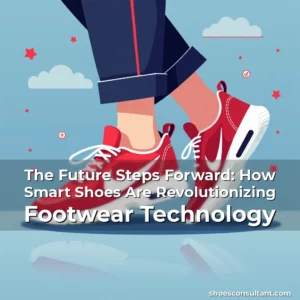
The convergence between wearable tech and footwear has led to groundbreaking developments known as smart shoes equipped with built-in sensors monitoring biomechanical metrics. These devices track parameters such as stride length, ground contact time, and muscle activation patterns useful for athletes aiming to optimize training regimens.
Smart shoe capabilities extend further through:
- Voice-activated assistance features enabling users to receive instant feedback regarding form corrections during exercise routines.
- Battery-powered illumination strips integrated around toe boxes enhancing visibility during nighttime outdoor excursions.
Such technological enhancements represent a paradigm shift toward interactive apparel that responds proactively rather than passively fulfilling basic utility functions associated with traditional shoe models.
Future Trends And Emerging Markets Within Specialty Footwear
Ongoing research indicates emerging markets focused on adaptive footwear suitable for individuals with neurological impairments requiring dynamic adjustments throughout daily movements. Engineers are developing microprocessor-controlled ankle supports housed inside supportive shoe frames mimicking natural human movement fluidity.
Predictions suggest continued growth areas will encompass:
- Gamification elements incorporated into rehabilitative footwear encouraging compliance through reward-based engagement mechanics similar to video game progression systems.
- Neuroadaptive interfaces linking brainwave signals captured via EEG headsets directly influencing shoe rigidity levels automatically adjusting according to cognitive states detected in real-time.
These forward-looking trends highlight the transformative potential awaiting future iterations of specialty footwear poised to redefine accessibility boundaries previously deemed unattainable by conventional means alone.
Conclusion
The journey from rudimentary protective coverings to today’s multifaceted specialty footwear reflects centuries of incremental improvements driven by evolving societal demands and scientific breakthroughs alike.
Whether addressing medical necessities, pushing athletic limits, or embracing ecological responsibility, the field continues expanding rapidly fueled by cross-disciplinary collaborations spanning medicine, engineering, and digital innovation domains simultaneously.
“`

news is a contributor at ShoesConsultant. We are committed to providing well-researched, accurate, and valuable content to our readers.
You May Also Like